






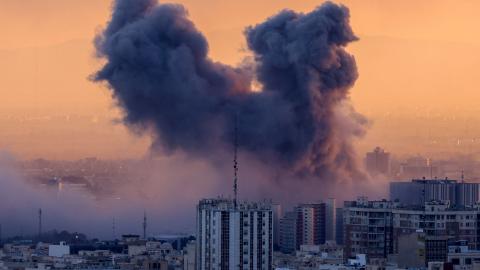




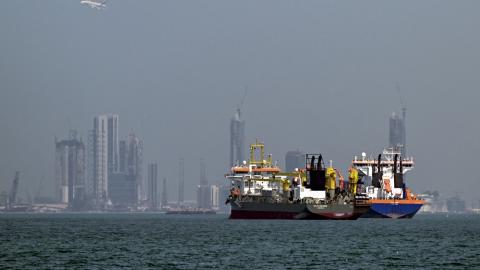
War is the teacher of kings. As President Trump is discovering, it is also a tough grader. So far, air superiority, even supremacy, hasn’t prevented Iran from putting massive political and economic pressure on Washington by choking off the Middle East’s oil flow to the world. There are no signs yet of a popular rebellion capable of toppling the regime. And waves of attacks against Iran’s strongholds and assets haven’t yet enabled any surviving pragmatists to steer the regime away from its radical approach.
As surging energy prices and declining stock markets worldwide drove a vibe shift, many analysts and foreign leaders concluded that Iran’s strategies were working, and that the U.S. would have to choose between ending the war well short of victory or committing large numbers of ground troops to another Middle East quagmire in the making.