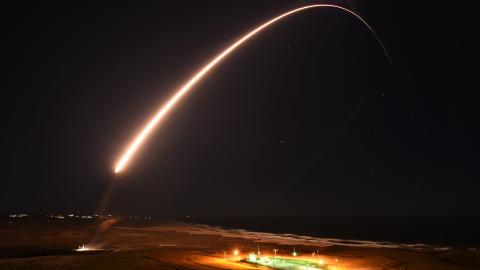
Caption
An Air Force Global Strike Command unarmed Minuteman III ICBM launches during an operation test on February 23, 2021, at Vandenberg Air Force Base in California. (US Space Force)

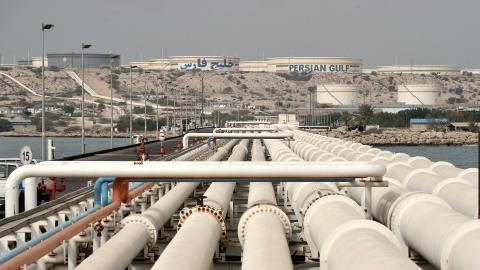
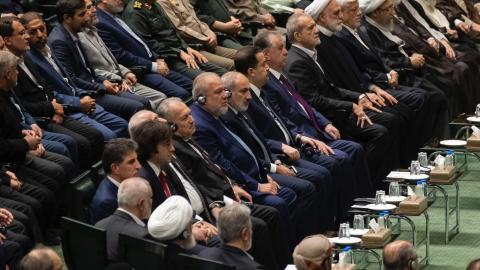
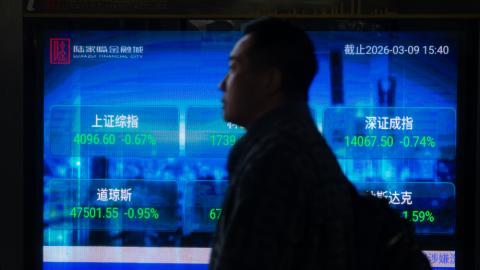

With the belief that Iran’s nuclear weapons program constituted the greatest threat to U.S. interests in the Middle East, Barack Obama entered the White House hoping to achieve a historic reconciliation with the Islamic Republic. But the administration’s current policies throughout the region suggest that the White House no longer sees Iran as the key problem. Rather, it views the clerical regime as a potential partner, particularly when it comes to combating Sunni extremists like al Qaeda and ISIS. As Obama has explained in several interviews, the Iranian regime, while problematic, represents a real nation-state and rational actor that looks out for its interests and responds to incentives—which is not the case for non-state actors.
The White House has re-prioritized American strategy in the Middle East. Its policies in Syria and Iraq demonstrate that it now sees groups like al Qaeda and ISIS—rather than Iran—as the key threat to American interests. The question is whether the Obama administration has got it right. And if it’s wrong, what are the likely consequences?
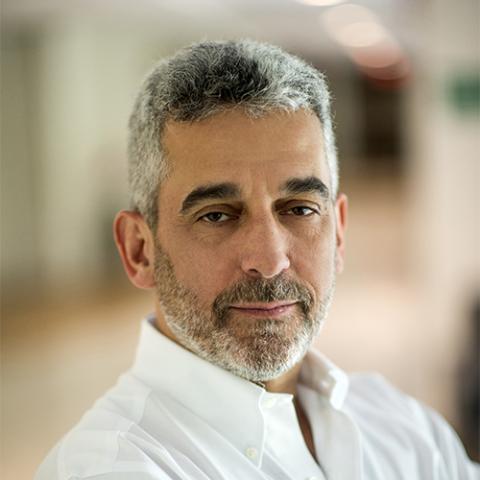
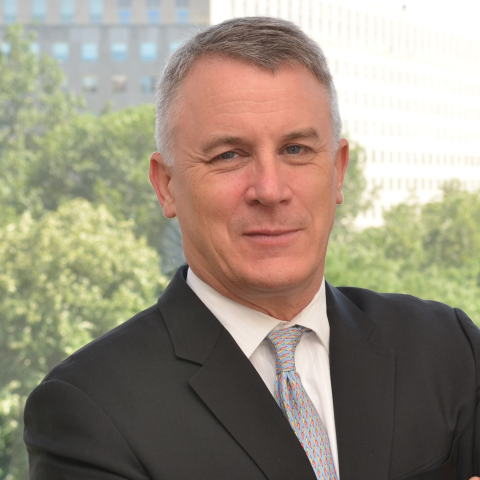
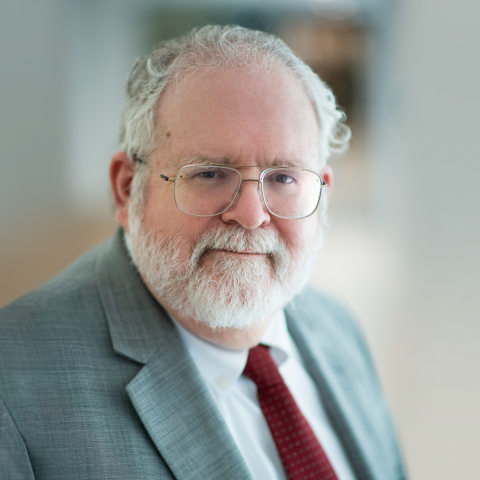
On August 14th, Hudson Institute Senior Fellow Lee Smith moderated an expert panel featuring Michael Doran, Hillel Fradkin, and Brian Katulis to discuss whether non-state Sunni extremism or Iran constitutes the major strategic threat to American interests in the region.

This certificate program is designed to provide policy professionals with a crash course in military tactics and operational realities.


Join Senior Fellow Matt Boyse and Minister of European Investments Dragoș Nicolae Pîslaru for a fireside conversation about how infrastructure investments are enhancing security and economic resilience in Romania and Southeast Europe.

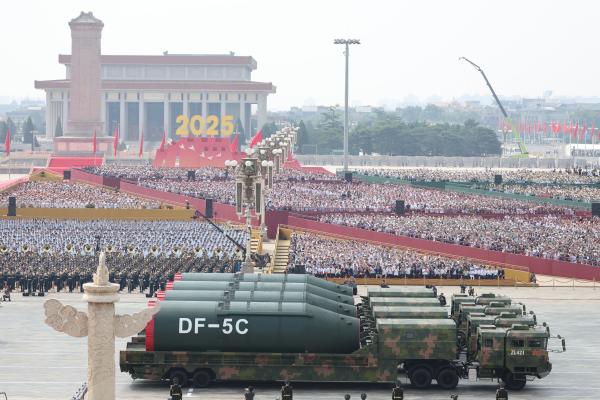
Join Senior Fellow and Keystone Defense Initiative Director Dr. Rebeccah Heinrichs and Administrator of the National Nuclear Security Administration Brandon Williams for a discussion on the administration's priorities in strengthening the US nuclear enterprise.
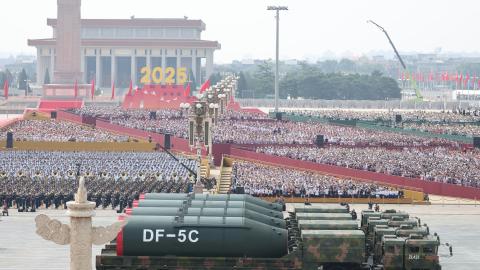
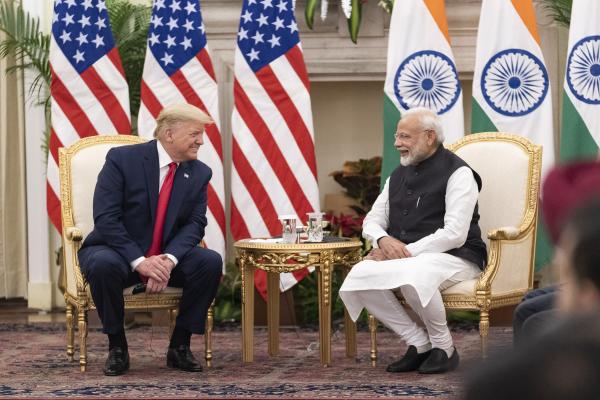
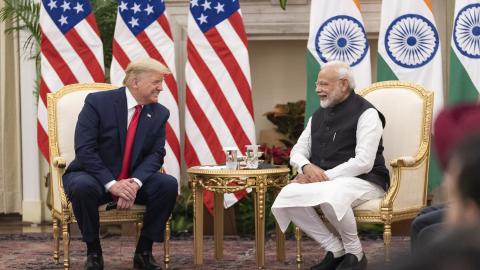
Hudson will convene leading policymakers, strategists, and scholars from India, the US, and their international partners to examine India’s transformation under Prime Minister Narendra Modi and its implications for global order, US-India relations, and the balance of power in the Indo-Pacific.