12
February 2013
Past Event
Institutional Choices for Regulating Oil and Gas Wells

Institutional Choices for Regulating Oil and Gas Wells

Past Event
Hudson Institute, Washington, D.C. Headquarters
February 12, 2013
Default Event Image
12
February 2013
Past Event

1015 15th Street, N.W., 6th Floor
Washington, DC 20005

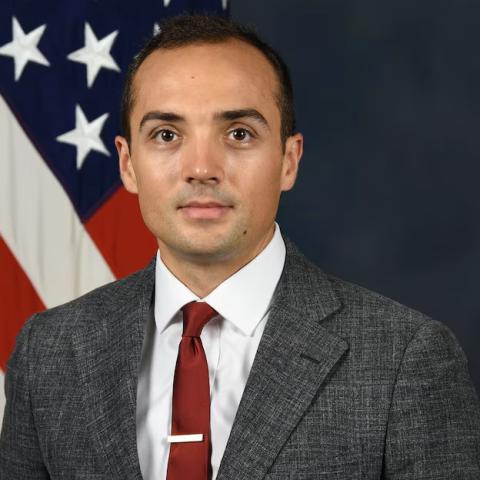
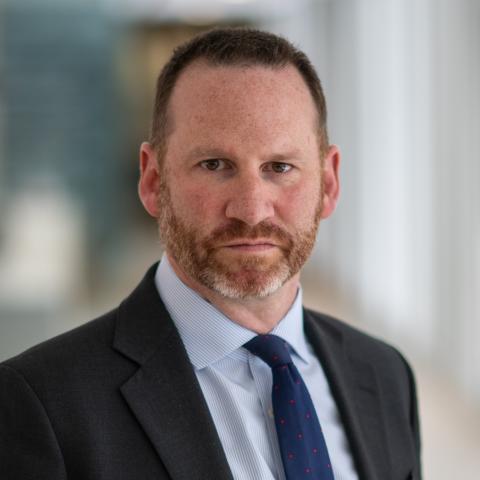
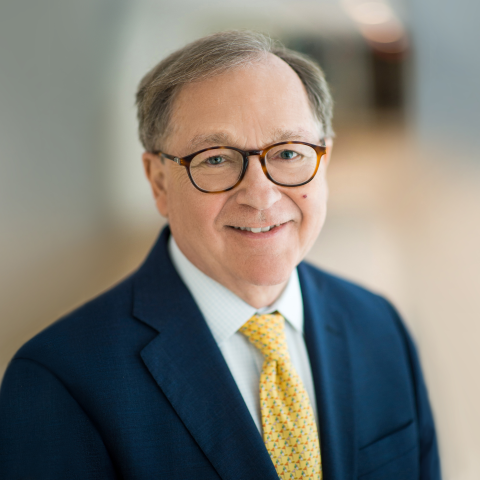
Speakers:
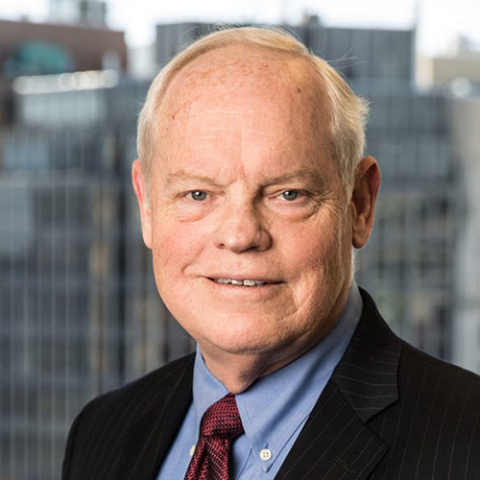
Chris DeMuth

Distinguished Fellow, Hudson Institute, former administrator of OMB's Office of Information and Regulatory Affairs and editor-in-chief of Regulation

Natalie Tawil

Analyst, Congressional Budget Office

On Tuesday, February 12, 2013, Hudson Institute released a report examining congressional bills to broaden federal oversight of the drilling process known as hydraulic fracturing (HF).

HF revolutionized U.S. energy development. Natural gas production boomed. America's manufacturers and consumers, in turn, benefited from lower prices. Past predictions of the U.S. becoming a major natural gas importer gave way to debates on how much, if any, should be exported.

The boom also sparked a debate on the proper role of the federal government in regulating a drilling technology that had been largely subject to state-level oversight. At the time, Congress was thought to consider bills, collectively referred to as the FRAC Act, and other measures that would greatly expand the EPA's authority over HF-related oil and gas drilling.

The report's author, Hudson Institute Visiting Fellow Lee Lane, led a panel discussion on its findings and the key related questions facing policymakers, such as:

* What are the benefits of continued robust shale gas development?
* Are the assumptions underlying the federal preemption effort sound?
* If enacted, would current proposals in Congress promote more efficient and safer energy development?
* Are there other ways in which the federal government might help state regulators to do a better job?

Related Events
12
February 2026
Past Event
Opportunity and Uncertainty in the Middle East: Next Steps for the Kurdistan Region of Iraq
Featured Speakers:
Rebar Ahmed
Joel Rayburn
Erbil
12
February 2026
Past Event
Opportunity and Uncertainty in the Middle East: Next Steps for the Kurdistan Region of Iraq

Join Hudson for a deep dive into these topics with Interior Minister of the Kurdistan Regional Government Rebar Ahmed, one of the region’s most experienced and respected statesmen. 

Erbil
Featured Speakers:
Rebar Ahmed
Joel Rayburn
13
February 2026
In-Person Event | Hudson Institute
Postponed | A Strategic Response to Sino-Russian Cooperation: Perspectives from Europe and the Indo-Pacific
Featured Speakers:
Nishank Motwani
Patrick M. Cronin
Justyna Szczudlik
Moderator:
Masashi Murano
Getty Images
13
February 2026
In-Person Event | Hudson Institute
Postponed | A Strategic Response to Sino-Russian Cooperation: Perspectives from Europe and the Indo-Pacific
Getty Images
Featured Speakers:
Nishank Motwani
Patrick M. Cronin
Justyna Szczudlik
Moderator:
Masashi Murano
17
February 2026
In-Person Event | Invite Only
Assistant Secretary of State Christopher Yeaw on the End of the New START Treaty
Featured Speakers:
Christopher Yeaw
Rebeccah L. Heinrichs
Getty Images
17
February 2026
In-Person Event | Invite Only
Assistant Secretary of State Christopher Yeaw on the End of the New START Treaty

Join Assistant Secretary of State for Arms Control and Nonproliferation Dr. Christopher Yeaw for a discussion on strategic deterrence.

Getty Images
Featured Speakers:
Christopher Yeaw
Rebeccah L. Heinrichs
19
February 2026
In-Person Event | Hudson Institute
The Economic Case for the US-Israel Partnership with Minister of Economic Affairs Noach Hacker
Featured Speaker:
Noach Hacker
Moderator:
Michael Doran
Tel Aviv’s skyline. (Getty Images)
19
February 2026
In-Person Event | Hudson Institute
The Economic Case for the US-Israel Partnership with Minister of Economic Affairs Noach Hacker
Tel Aviv’s skyline. (Getty Images)
Featured Speaker:
Noach Hacker
Moderator:
Michael Doran